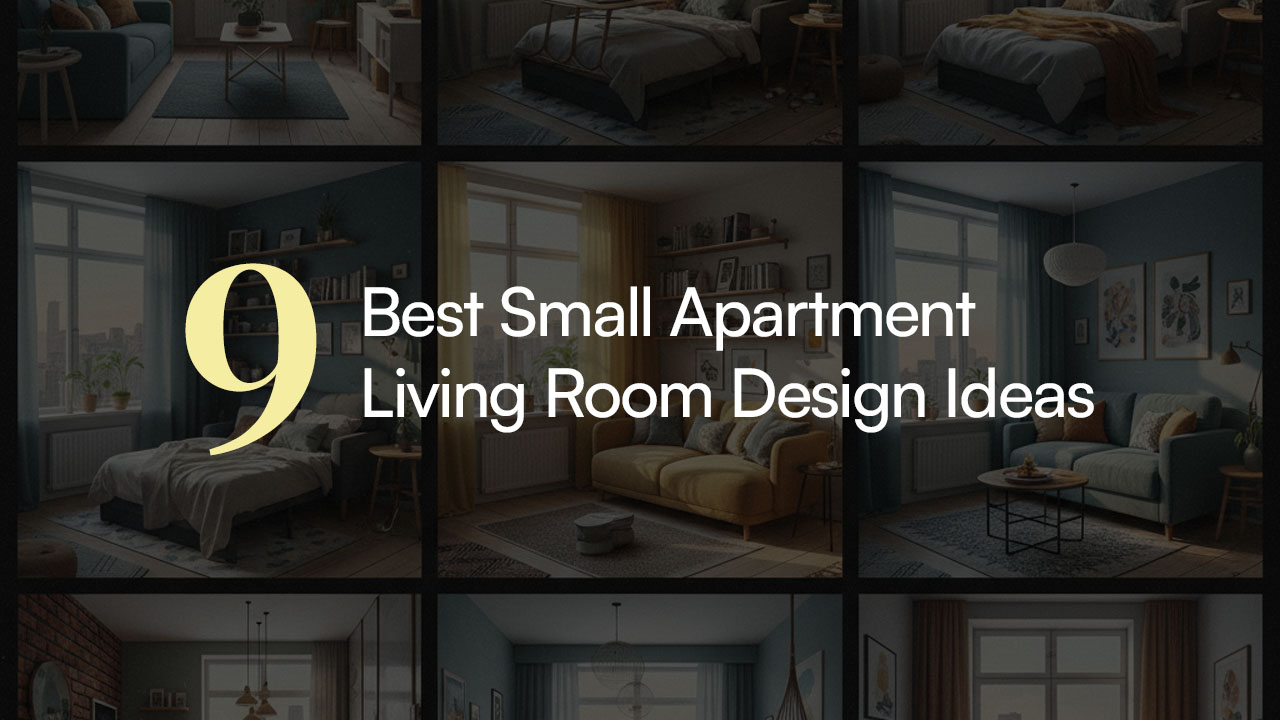
Small apartments don’t mean small thinking, especially in the living room. This is the space everyone sees first. And judges fast. Designing it right is not about filling corners. It’s about making every inch work. Light. Layout. Furniture. Flow. All of it matters.
In cities like Bangalore, space is tight, and expectations are high. That’s why people often turn to the best interior designers in Bangalore. They know how to make compact rooms feel open, calm, and lived-in. Without overdoing it.
This blog breaks down smart, real ideas for small living rooms. Nothing fancy for the sake of it. Just designs that actually work in apartments.
Whether you’re planning a makeover or starting from scratch, these ideas help you think better. And if you’re taking cues from experienced interior designers in Bangalore, you’ll know why less is usually more.
Idea #: 1 Let Natural Light Lead the Design
Start with light. Always. Natural light is your biggest asset in a small living room. Waste it and the space feels boxed in. Use sheer curtains. Or skip heavy ones completely.
Let the windows breathe. Dark drapes look rich, yes. But they also eat space. Fast.
Walls matter here. Stick to lighter shades. Whites, soft beiges, muted greys. Not boring. Just smart. They reflect light and visually push the walls back.
Furniture placement should respect the light source. Don’t block windows with bulky sofas or shelves. Float furniture slightly away from walls if you can. It creates depth. Sounds small, works big.
Idea #2: Pick Multi-Functional Furniture
Space is limited. Every piece has to justify itself. If it serves only one purpose, it’s probably a bad choice. Think sofas with hidden storage. Tables that open up. Ottomans that double as seating and surfaces. Practical wins.
Avoid bulky, heavy designs. Low-height furniture keeps the room visually open. Slim legs beat solid bases every time. More furniture doesn’t mean better living. It usually means clutter. Smart, multi-use pieces keep the room clean without effort.
Idea #3: Keep the Layout Open
Stop pushing everything against the walls. That doesn’t make the room bigger. It just makes it awkward. Create clear walking paths. Let the furniture breathe. Even a few inches matter more than you think.
Avoid unnecessary partitions. If the living room connects to the dining or kitchen, let it flow. Visual breaks shrink small spaces fast. Use rugs to define zones instead. One rug. Clean edges. No chaos. It tells the eye where the living room starts and ends.
Good layouts feel invisible. Nothing looks “placed.” It just works. Layouts keep the home luxurious and premium.
Idea #4: Create Zoning with Glass Partitions
Open layouts look great. Until they feel messy. Zoning fixes that. Without killing space. Glass partitions separate areas visually, not physically. Light still moves. The room still feels open. But each zone gets its own identity.
Go for clear or lightly frosted glass. Avoid heavy frames or dark borders. They shrink the room. Slim metal profiles work best. Use glass to define a study corner, dining edge, or entry buffer. You get structure without walls. Smart division. Zero suffocation.
Idea #5: Stick to a Tight Color Palette
Too many colors confuse the space. And small rooms don’t forgive that mistake. Limit yourself to two or three shades. One base. One secondary. One accent. That’s enough.
Keep walls, sofas, and large surfaces in similar tones. Contrast should come from cushions, art, or a single chair. Not everywhere at once. Consistency makes the room feel larger and calmer. The eye moves smoothly. No sudden stops. Good color choices don’t shout. They quietly hold the room together.
Idea #6: Keep Decor Minimal and Intentional
Decor can upgrade a space. Or completely ruin it. Too many showpieces make a small living room feel crowded. Every item should have a reason to be there.
Pick a few statement pieces. One artwork. One plant. One textured element. Stop there. Leave some surfaces empty. Negative space is not wasted space. It lets the room breathe. A clean room always feels bigger than a busy one. No exceptions.
Idea #7: Take Advantage of Corners in a Small Living Space
Corners are often wasted. Stop ignoring them. Use corner shelves for books or decor. Add a small reading chair or a floor lamp. Even a tiny desk fits if angled right.
Plants and storage bins work too. They make the corner functional without crowding the room. Corners can be mini-zones. In small living rooms, every inch matters; don’t leave them empty.
Idea # 8: Incorporate Sliding Doors Instead of Swings
Traditional doors eat up space. Small apartments can’t afford that. Sliding doors glide quietly along walls. No door swing, no blocked pathways. Use them for balconies, kitchens, or even bathroom entrances. Glass or frosted panels keep light flowing. They feel modern, clean, and efficient. Small living rooms suddenly feel less cramped.
Idea #9 Add a Statement Rug to Define the Space
Rugs do more than look nice. They define zones in an open or small living area. Pick one that fits the furniture layout. Not too big, not too small. Just enough to anchor the seating. Patterns should be subtle. Busy prints make a small room feel chaotic. Texture can add depth without clutter. Step on comfort. See a room that feels organized.
Bonus Tip: Use Transparent Furniture for a Lightweight Look
Acrylic or glass tables don’t block the view. They make the room feel airy and bigger. Chairs with slim, see-through frames work the same way. Less visual weight = more open space. Perfect for coffee tables, side tables, or even shelving units. The room stays functional without feeling crowded.
Conclusion
Small living rooms don’t have to feel cramped. Smart furniture. Light. Layout. All matter. Corners, mirrors, and rugs, and use them right. The room instantly feels bigger.
If you want it done properly, go to the best interior designers in Bangalore. They know how to make small spaces work without overdoing it. Even a tiny living room can look clean, stylish, and comfy. Trust interior designers in Bangalore; they make every inch count.
Small apartments don’t mean small thinking, especially in the living room. This is the space everyone sees first. And judges fast. Designing it right is not about filling corners. It’s about making every inch work. Light. Layout. Furniture. Flow. All of it matters.
In cities like Bangalore, space is tight, and expectations are high. That’s why people often turn to the best interior designers in Bangalore. They know how to make compact rooms feel open, calm, and lived-in. Without overdoing it.
This blog breaks down smart, real ideas for small living rooms. Nothing fancy for the sake of it. Just designs that actually work in apartments.
Whether you’re planning a makeover or starting from scratch, these ideas help you think better. And if you’re taking cues from experienced interior designers in Bangalore, you’ll know why less is usually more.
Idea #: 1 Let Natural Light Lead the Design
Start with light. Always. Natural light is your biggest asset in a small living room. Waste it and the space feels boxed in. Use sheer curtains. Or skip heavy ones completely.
Let the windows breathe. Dark drapes look rich, yes. But they also eat space. Fast.
Walls matter here. Stick to lighter shades. Whites, soft beiges, muted greys. Not boring. Just smart. They reflect light and visually push the walls back.
Furniture placement should respect the light source. Don’t block windows with bulky sofas or shelves. Float furniture slightly away from walls if you can. It creates depth. Sounds small, works big.
Idea #2: Pick Multi-Functional Furniture
Space is limited. Every piece has to justify itself. If it serves only one purpose, it’s probably a bad choice. Think sofas with hidden storage. Tables that open up. Ottomans that double as seating and surfaces. Practical wins.
Avoid bulky, heavy designs. Low-height furniture keeps the room visually open. Slim legs beat solid bases every time. More furniture doesn’t mean better living. It usually means clutter. Smart, multi-use pieces keep the room clean without effort.
Idea #3: Keep the Layout Open
Stop pushing everything against the walls. That doesn’t make the room bigger. It just makes it awkward. Create clear walking paths. Let the furniture breathe. Even a few inches matter more than you think.
Avoid unnecessary partitions. If the living room connects to the dining or kitchen, let it flow. Visual breaks shrink small spaces fast. Use rugs to define zones instead. One rug. Clean edges. No chaos. It tells the eye where the living room starts and ends.
Good layouts feel invisible. Nothing looks “placed.” It just works. Layouts keep the home luxurious and premium.
Idea #4: Create Zoning with Glass Partitions
Open layouts look great. Until they feel messy. Zoning fixes that. Without killing space. Glass partitions separate areas visually, not physically. Light still moves. The room still feels open. But each zone gets its own identity.
Go for clear or lightly frosted glass. Avoid heavy frames or dark borders. They shrink the room. Slim metal profiles work best. Use glass to define a study corner, dining edge, or entry buffer. You get structure without walls. Smart division. Zero suffocation.
Idea #5: Stick to a Tight Color Palette
Too many colors confuse the space. And small rooms don’t forgive that mistake. Limit yourself to two or three shades. One base. One secondary. One accent. That’s enough.
Keep walls, sofas, and large surfaces in similar tones. Contrast should come from cushions, art, or a single chair. Not everywhere at once. Consistency makes the room feel larger and calmer. The eye moves smoothly. No sudden stops. Good color choices don’t shout. They quietly hold the room together.
Idea #6: Keep Decor Minimal and Intentional
Decor can upgrade a space. Or completely ruin it. Too many showpieces make a small living room feel crowded. Every item should have a reason to be there.
Pick a few statement pieces. One artwork. One plant. One textured element. Stop there. Leave some surfaces empty. Negative space is not wasted space. It lets the room breathe. A clean room always feels bigger than a busy one. No exceptions.
Idea #7: Take Advantage of Corners in a Small Living Space
Corners are often wasted. Stop ignoring them. Use corner shelves for books or decor. Add a small reading chair or a floor lamp. Even a tiny desk fits if angled right.
Plants and storage bins work too. They make the corner functional without crowding the room. Corners can be mini-zones. In small living rooms, every inch matters; don’t leave them empty.
Idea # 8: Incorporate Sliding Doors Instead of Swings
Traditional doors eat up space. Small apartments can’t afford that. Sliding doors glide quietly along walls. No door swing, no blocked pathways. Use them for balconies, kitchens, or even bathroom entrances. Glass or frosted panels keep light flowing. They feel modern, clean, and efficient. Small living rooms suddenly feel less cramped.
Idea #9 Add a Statement Rug to Define the Space
Rugs do more than look nice. They define zones in an open or small living area. Pick one that fits the furniture layout. Not too big, not too small. Just enough to anchor the seating. Patterns should be subtle. Busy prints make a small room feel chaotic. Texture can add depth without clutter. Step on comfort. See a room that feels organized.
Bonus Tip: Use Transparent Furniture for a Lightweight Look
Acrylic or glass tables don’t block the view. They make the room feel airy and bigger. Chairs with slim, see-through frames work the same way. Less visual weight = more open space. Perfect for coffee tables, side tables, or even shelving units. The room stays functional without feeling crowded.
Conclusion
Small living rooms don’t have to feel cramped. Smart furniture. Light. Layout. All matter. Corners, mirrors, and rugs, and use them right. The room instantly feels bigger.
If you want it done properly, go to the best interior designers in Bangalore. They know how to make small spaces work without overdoing it. Even a tiny living room can look clean, stylish, and comfy. Trust interior designers in Bangalore; they make every inch count.
Small apartments don’t mean small thinking, especially in the living room. This is the space everyone sees first. And judges fast. Designing it right is not about filling corners. It’s about making every inch work. Light. Layout. Furniture. Flow. All of it matters.
In cities like Bangalore, space is tight, and expectations are high. That’s why people often turn to the best interior designers in Bangalore. They know how to make compact rooms feel open, calm, and lived-in. Without overdoing it.
This blog breaks down smart, real ideas for small living rooms. Nothing fancy for the sake of it. Just designs that actually work in apartments.
Whether you’re planning a makeover or starting from scratch, these ideas help you think better. And if you’re taking cues from experienced interior designers in Bangalore, you’ll know why less is usually more.
Idea #: 1 Let Natural Light Lead the Design
Start with light. Always. Natural light is your biggest asset in a small living room. Waste it and the space feels boxed in. Use sheer curtains. Or skip heavy ones completely.
Let the windows breathe. Dark drapes look rich, yes. But they also eat space. Fast.
Walls matter here. Stick to lighter shades. Whites, soft beiges, muted greys. Not boring. Just smart. They reflect light and visually push the walls back.
Furniture placement should respect the light source. Don’t block windows with bulky sofas or shelves. Float furniture slightly away from walls if you can. It creates depth. Sounds small, works big.
Idea #2: Pick Multi-Functional Furniture
Space is limited. Every piece has to justify itself. If it serves only one purpose, it’s probably a bad choice. Think sofas with hidden storage. Tables that open up. Ottomans that double as seating and surfaces. Practical wins.
Avoid bulky, heavy designs. Low-height furniture keeps the room visually open. Slim legs beat solid bases every time. More furniture doesn’t mean better living. It usually means clutter. Smart, multi-use pieces keep the room clean without effort.
Idea #3: Keep the Layout Open
Stop pushing everything against the walls. That doesn’t make the room bigger. It just makes it awkward. Create clear walking paths. Let the furniture breathe. Even a few inches matter more than you think.
Avoid unnecessary partitions. If the living room connects to the dining or kitchen, let it flow. Visual breaks shrink small spaces fast. Use rugs to define zones instead. One rug. Clean edges. No chaos. It tells the eye where the living room starts and ends.
Good layouts feel invisible. Nothing looks “placed.” It just works. Layouts keep the home luxurious and premium.
Idea #4: Create Zoning with Glass Partitions
Open layouts look great. Until they feel messy. Zoning fixes that. Without killing space. Glass partitions separate areas visually, not physically. Light still moves. The room still feels open. But each zone gets its own identity.
Go for clear or lightly frosted glass. Avoid heavy frames or dark borders. They shrink the room. Slim metal profiles work best. Use glass to define a study corner, dining edge, or entry buffer. You get structure without walls. Smart division. Zero suffocation.
Idea #5: Stick to a Tight Color Palette
Too many colors confuse the space. And small rooms don’t forgive that mistake. Limit yourself to two or three shades. One base. One secondary. One accent. That’s enough.
Keep walls, sofas, and large surfaces in similar tones. Contrast should come from cushions, art, or a single chair. Not everywhere at once. Consistency makes the room feel larger and calmer. The eye moves smoothly. No sudden stops. Good color choices don’t shout. They quietly hold the room together.
Idea #6: Keep Decor Minimal and Intentional
Decor can upgrade a space. Or completely ruin it. Too many showpieces make a small living room feel crowded. Every item should have a reason to be there.
Pick a few statement pieces. One artwork. One plant. One textured element. Stop there. Leave some surfaces empty. Negative space is not wasted space. It lets the room breathe. A clean room always feels bigger than a busy one. No exceptions.
Idea #7: Take Advantage of Corners in a Small Living Space
Corners are often wasted. Stop ignoring them. Use corner shelves for books or decor. Add a small reading chair or a floor lamp. Even a tiny desk fits if angled right.
Plants and storage bins work too. They make the corner functional without crowding the room. Corners can be mini-zones. In small living rooms, every inch matters; don’t leave them empty.
Idea # 8: Incorporate Sliding Doors Instead of Swings
Traditional doors eat up space. Small apartments can’t afford that. Sliding doors glide quietly along walls. No door swing, no blocked pathways. Use them for balconies, kitchens, or even bathroom entrances. Glass or frosted panels keep light flowing. They feel modern, clean, and efficient. Small living rooms suddenly feel less cramped.
Idea #9 Add a Statement Rug to Define the Space
Rugs do more than look nice. They define zones in an open or small living area. Pick one that fits the furniture layout. Not too big, not too small. Just enough to anchor the seating. Patterns should be subtle. Busy prints make a small room feel chaotic. Texture can add depth without clutter. Step on comfort. See a room that feels organized.
Bonus Tip: Use Transparent Furniture for a Lightweight Look
Acrylic or glass tables don’t block the view. They make the room feel airy and bigger. Chairs with slim, see-through frames work the same way. Less visual weight = more open space. Perfect for coffee tables, side tables, or even shelving units. The room stays functional without feeling crowded.
Conclusion
Small living rooms don’t have to feel cramped. Smart furniture. Light. Layout. All matter. Corners, mirrors, and rugs, and use them right. The room instantly feels bigger.
If you want it done properly, go to the best interior designers in Bangalore. They know how to make small spaces work without overdoing it. Even a tiny living room can look clean, stylish, and comfy. Trust interior designers in Bangalore; they make every inch count.
Let's
Build
something
enduring
Every exceptional space begins with a conversation. We'd be honored to learn about your vision.
Let's
Build
something
enduring
Every exceptional space begins with a conversation. We'd be honored to learn about your vision.
Let's
Build
something
enduring
Every exceptional space begins with a conversation. We'd be honored to learn about your vision.