Indian Living Room Interior Design: To make your Space worth living in
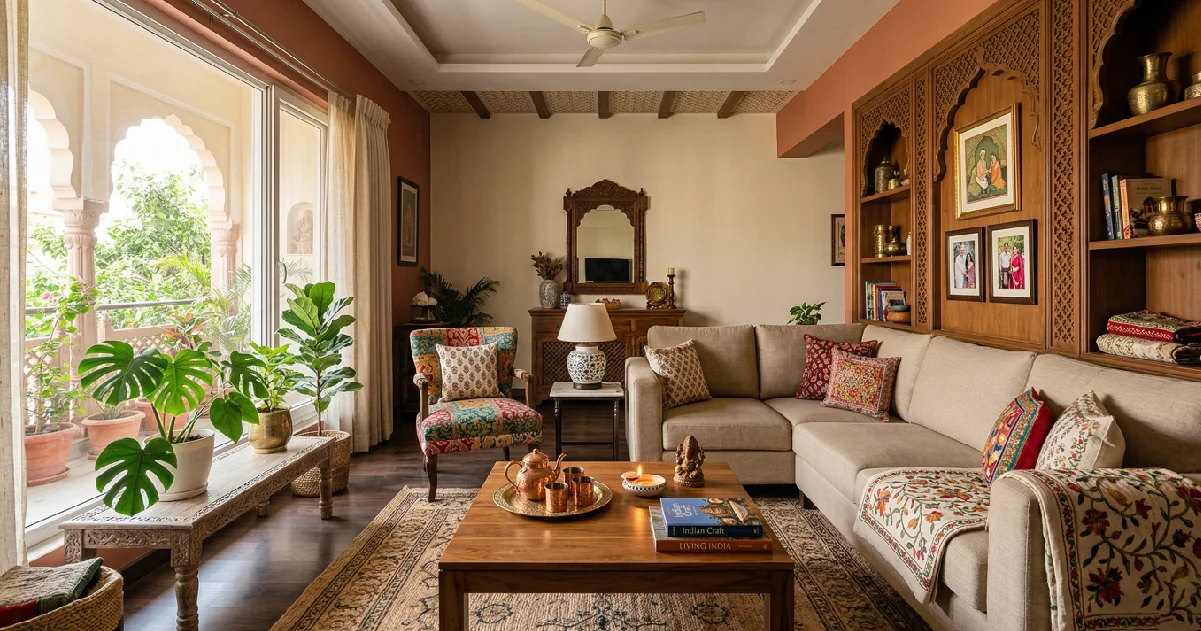
Living rooms are the heart of Indian homes. It's where the family gathers every evening. And yet, most Indian homes settle for a sofa, a TV unit, and maybe a plant in the corner.
You deserve better than that. No matter if you have a compact 2BHK in Bangalore or a spacious home in Delhi, this guide covers Indian living room interior design ideas that are modern, practical, and rooted in our culture.
What Makes Indian Living Room Design Different?
India is a mix of dozens of cultures. And that shows up in how we decorate our homes. A living room in Chennai looks nothing like one in Jaipur. A flat in Pune is designed differently from a home in Uttarakhand.
But there are a few things almost every Indian living room has in common:
• It needs to host guests, often without notice
• It usually serves multiple purposes: a TV room, family space, and sometimes even a home office
• It has to balance tradition with modern taste
• It works within real budget constraints
Good design is the perfect balance of all of this. It doesn't ask you to throw everything out and start over. It works with what you have.
Top Indian Living Room Interior Design Styles in 2026
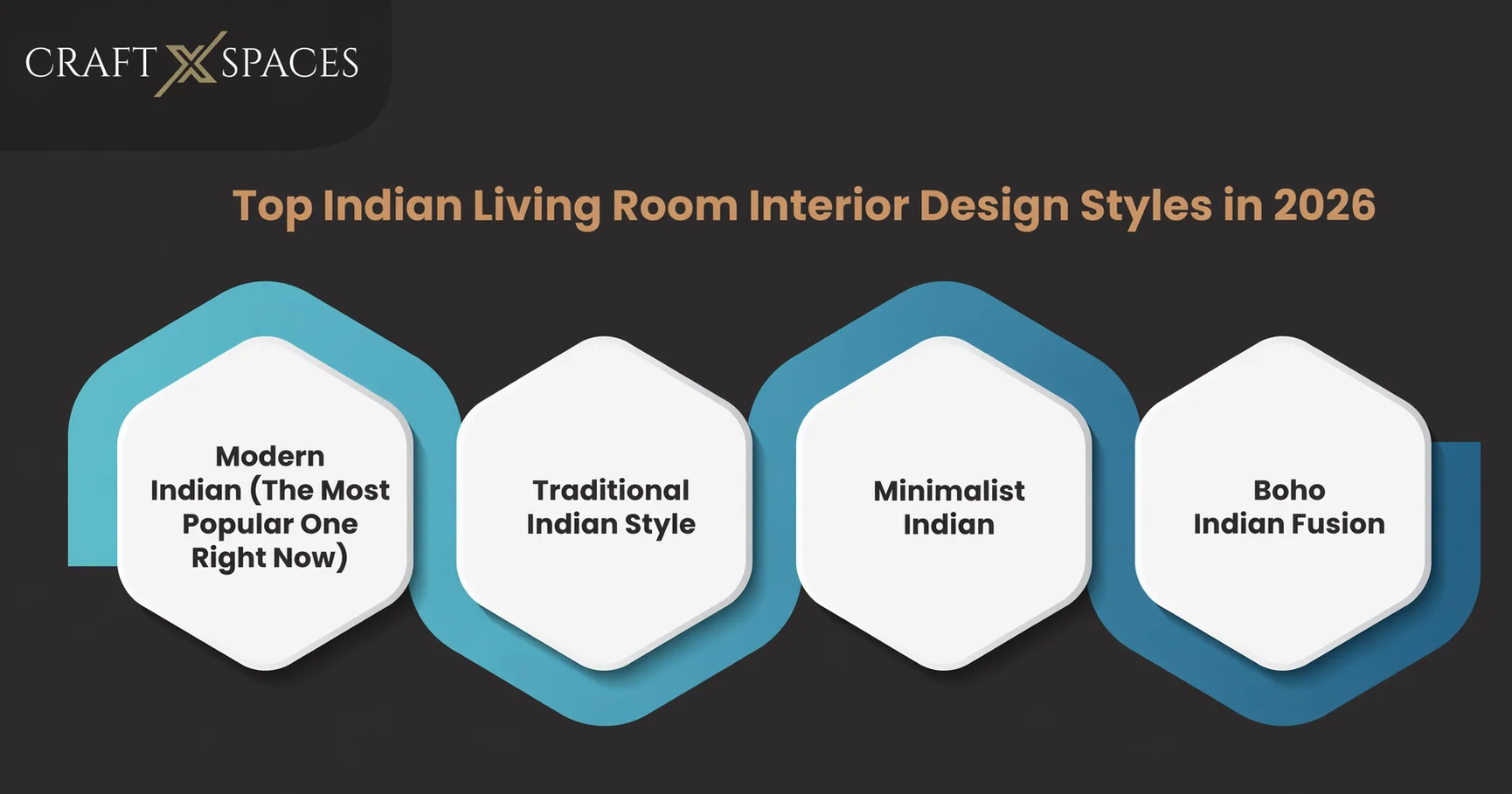
1. Modern Indian (The Most Popular One Right Now)
This is the sweet spot most homeowners are going for. Clean furniture and neutral base colors, and then cultural touches through decor: a brass figurine here, a hand-woven dhurrie rug there, and Madhubani art on the wall.
Best for: Urban apartments, young couples, people who want style without being too traditional
Key elements: Beige or white walls, solid wood or engineered wood furniture, ethnic cushion covers, one statement art piece
2. Traditional Indian Style
Think carved wooden furniture, rich fabrics like silk or ikat, warm lighting, and deep colours like rust, mustard, and gold. This style honors India's craft heritage. It's warm, rich, and unmistakably Indian.
Best for: Larger homes, families who value cultural aesthetics, those who love the classic Indian look
Key elements: Jharokha-style accents, brass lamps, jaali screens, heavy drapes, hand-carved pieces
3. Minimalist Indian
Less is more, but done with warmth. Neutral tones, simple furniture, and very selective decor. The Indian twist comes through in textures, a khadi cushion, a terracotta vase, a small bronze idol.
Best for: Small apartments, people who hate clutter, those who prefer calm spaces
Key elements: Muted earthy palette, low-profile furniture, clean walls, one or two ethnic pieces as focal points
4. Boho-Indian Fusion
Colorful, layered, and full of personality. Mix and match; Persian rugs, macramé wall hangings, bright block-print cushions, and wicker chairs. It looks effortless, but it's very intentional.
Best for: Creative personalities, anyone who loves colour and texture
Key elements: Layered rugs, mixed textiles, indoor plants, warm Edison bulb lighting
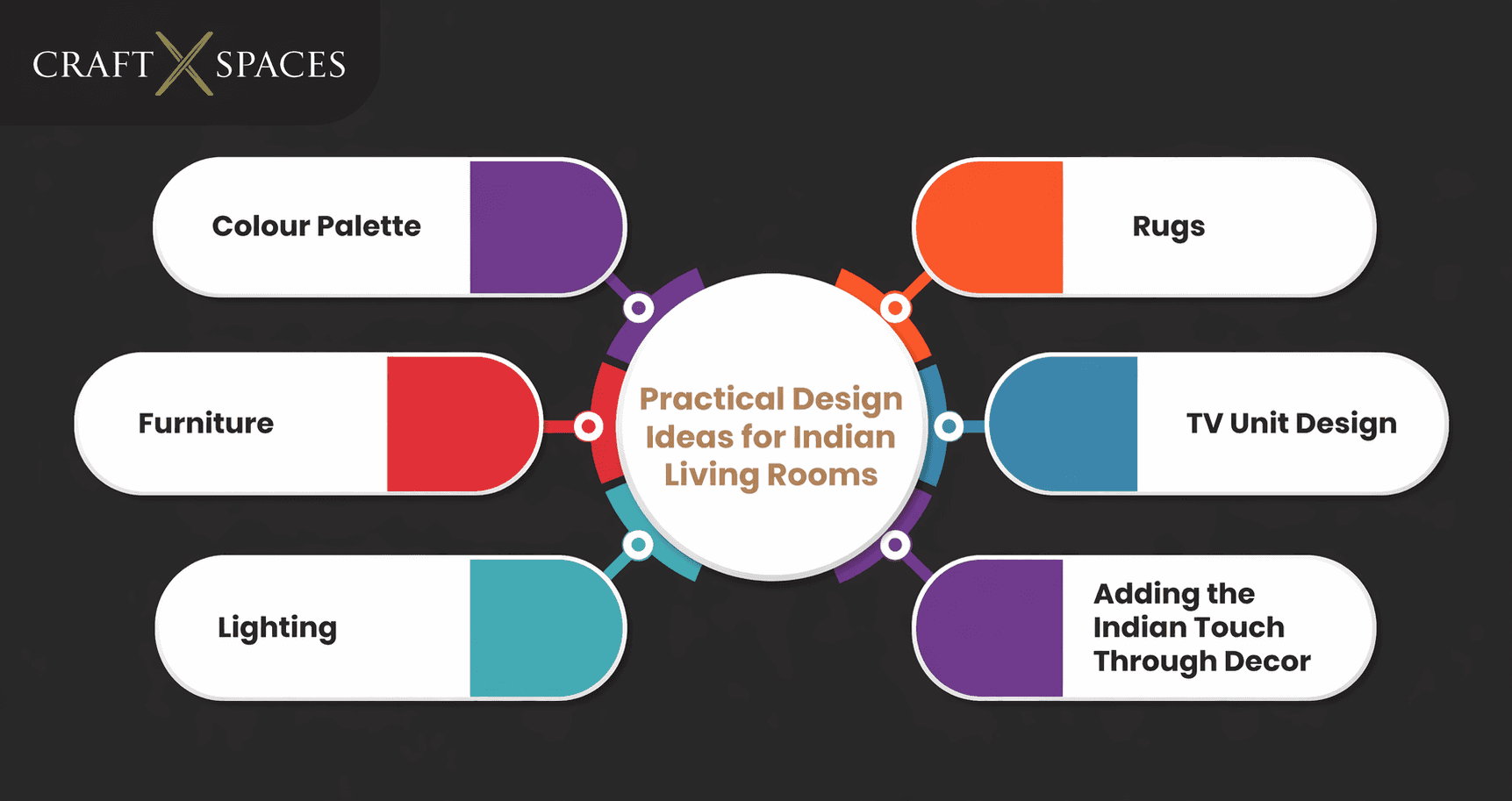
Practical Design Ideas for Indian Living Rooms
Colour Palette: Start Here
Color is the easiest and most affordable way to change how a room feels. In 2026 earthy tones are the top choice for Indian homes: olive green, terracotta, beige, clay, and muted browns. These work beautifully with natural wood furniture and bring a grounded, peaceful feel to urban spaces.
If you want color, use it on one accent wall. Keep the rest neutral. Matte finishes are preferred over glossy; they look more premium and hide imperfections better.
Quick tip: Keep the ceiling light. A white or off-white ceiling makes any room feel bigger and brighter.
Furniture: Choose Smart, Not Just Pretty
Indian homes, especially in cities, tend to be compact. Multi-functional furniture is your best friend.
• Sofa-cum-beds for guest rooms that double as living rooms
• Nesting tables instead of a bulky coffee table
• Storage ottomans: they seat guests and hide stuff
• Vertical shelving to use wall space instead of floor space
For the main sofa, choose based on how you actually use the room. A large sectional makes sense for a family that watches TV together. A pair of armchairs and a smaller sofa works better for a home that entertains guests often.
Material tip: Engineered wood is durable, budget-friendly, and looks great. Solid wood carved pieces elevate any room but cost more. Mix both.
Lighting: The Element Most People Get Wrong
A single ceiling light in the center of the room is the biggest lighting mistake in Indian homes. It makes the room look flat and clinical.
Layer your lighting instead:
• Ambient light, cove lights, recessed LEDs in the false ceiling
• Task lighting, a reading lamp, a floor lamp in a corner
• Accent lighting, spotlights on art, LED strips behind a TV unit
Warm white tones (2700K–3000K) create a comfortable, homely atmosphere. Save cool white for study rooms and kitchens.
Quick upgrade: Add a Jharokha-style pendant lamp or a brass chandelier. It instantly elevates the room.
Rugs: They Do More Than You Think
A rug defines the seating zone. It anchors the room. It adds warmth, colour, and texture, all at once.
Dhurrie rugs are a great Indian option. They're affordable, durable, and come in beautiful patterns. Persian and kilim rugs work great for traditional styles. For modern interiors, go with geometric or abstract patterns in neutral tones.
Size matters: Most people buy rugs that are too small. The rug should sit under all the front legs of the sofa at a minimum. Ideally, it goes under the entire seating arrangement.
TV Unit Design: Keep It Clean
Bulky entertainment units are out. In 2025, the trend is wall-mounted TVs with slim floating units below. Fluted panels, wood slats, and hidden cable management make a huge difference.
If the budget allows, create a full accent wall around the TV with panels, shelves, and subtle lighting. It becomes the focal point of the room and hides all the wires.
Adding the Indian Touch Through Decor
This is where it gets fun. You don't need to redecorate the whole room to add cultural character. A few well-chosen pieces do the job:
• Brass or copper decorative pieces; vases, figurines, trays
• Block-print or ikat cushion covers
• Handwoven throws from Rajasthan or Kutch
• Wall art; Madhubani, Warli, or modern interpretations
• Terracotta pots with indoor plants
• A carved wooden side table or a diwan in a corner
Less is more. Pick 3–5 ethnic pieces and let them stand out against a clean background. Don't clutter.
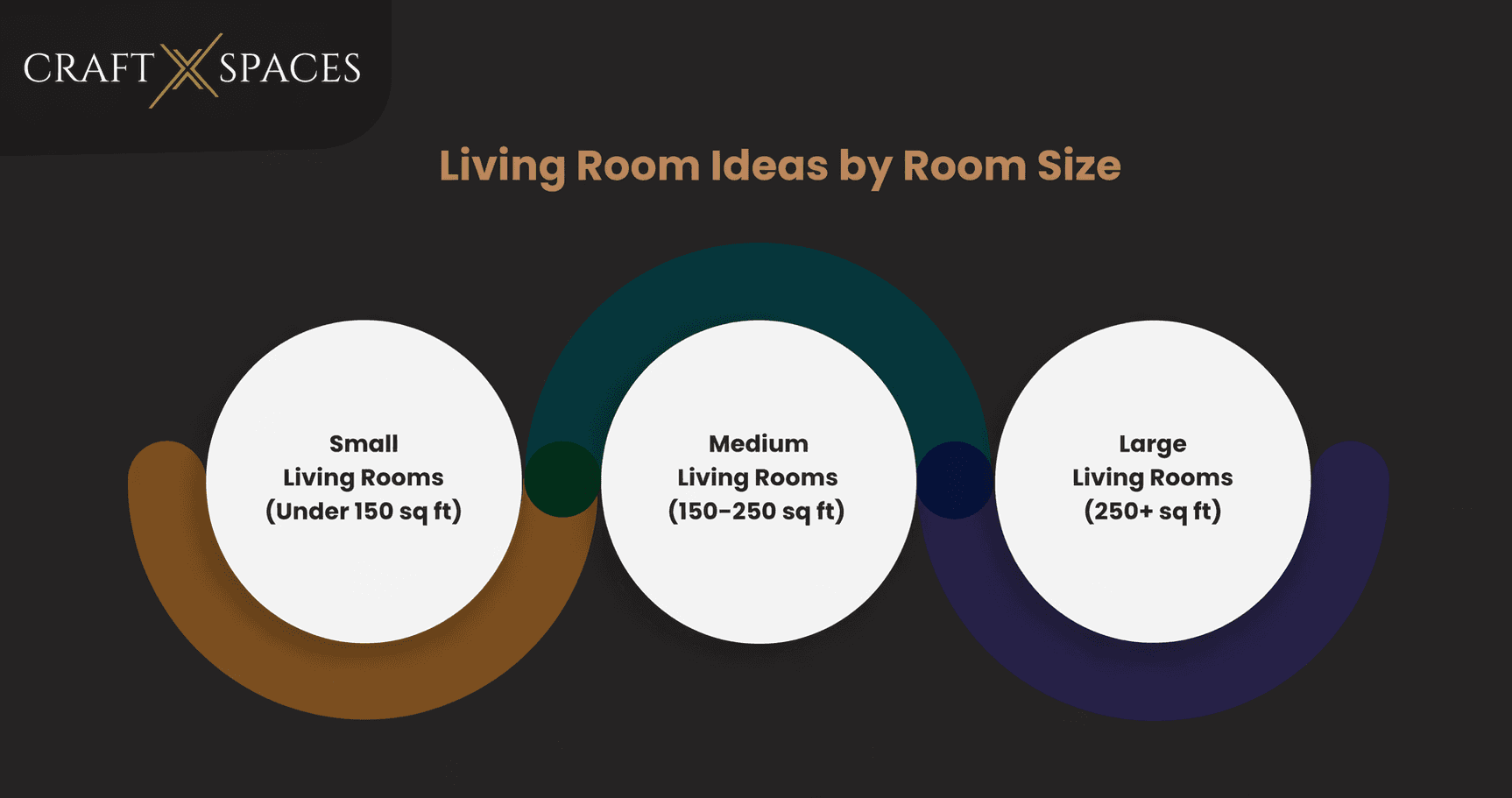
Living Room Ideas by Room Size
Small Living Rooms (Under 150 sq ft)
The goal here is to make it feel bigger without spending a lot. Mirrors help; place a large mirror opposite a window, and it doubles the light and the visual space. Stick to light walls. Use furniture with legs (not floor-level pieces) to create visual airiness. Avoid dark rugs. Keep the floor as visible as possible.
Medium Living Rooms (150–250 sq ft)
You have room to work with. Create zones: a seating zone, a TV zone, maybe a small reading corner. Use a rug to anchor the seating area. Add a statement piece, either an artwork or a large plant. Layered lighting works really well here.
Large Living Rooms (250+ sq ft)
The risk here is making it feel empty or cold. Use furniture to create intimate zones within the larger space. A sectional sofa, a large coffee table, multiple rugs, and greenery all help. Bold decor choices, a carved wooden piece, and a large canvas painting work well at this scale.
Budget Breakdown: What Does a Living Room Makeover Cost in India?
Here's a realistic range based on current 2025 pricing:
• Basic refresh (new cushions, rug, lighting): ₹15,000 – ₹40,000
• Mid-range redesign (new furniture + decor + lighting): ₹80,000 – ₹2,00,000
• Full interior design with a professional designer: ₹2,00,000 – ₹6,00,000+
You don't need a big budget to make a big difference. Lighting changes and new cushion covers alone can transform a room. Start with what matters most to you.
Conclusion
Your living room doesn't need a complete overhaul to look great. Start with the basics: color, lighting, and furniture arrangement. Then layer in the Indian character through decor.
The best interior designers in Bangalore aren't the ones who deliver looks like a showroom. They're the ones that feel like home, warm, personal, and a little bit of everything that makes Indian culture so rich. So if you are looking for the best interior designers in Bangalore who can meet your expectations, visit Crafxspace.
Take it one step at a time. Even one good change, a new rug, a statement lamp, or a brass accent piece, can completely shift how a room feels.
Living rooms are the heart of Indian homes. It's where the family gathers every evening. And yet, most Indian homes settle for a sofa, a TV unit, and maybe a plant in the corner.
You deserve better than that. No matter if you have a compact 2BHK in Bangalore or a spacious home in Delhi, this guide covers Indian living room interior design ideas that are modern, practical, and rooted in our culture.
What Makes Indian Living Room Design Different?
India is a mix of dozens of cultures. And that shows up in how we decorate our homes. A living room in Chennai looks nothing like one in Jaipur. A flat in Pune is designed differently from a home in Uttarakhand.
But there are a few things almost every Indian living room has in common:
• It needs to host guests, often without notice
• It usually serves multiple purposes: a TV room, family space, and sometimes even a home office
• It has to balance tradition with modern taste
• It works within real budget constraints
Good design is the perfect balance of all of this. It doesn't ask you to throw everything out and start over. It works with what you have.
Top Indian Living Room Interior Design Styles in 2026
1. Modern Indian (The Most Popular One Right Now)
This is the sweet spot most homeowners are going for. Clean furniture and neutral base colors, and then cultural touches through decor: a brass figurine here, a hand-woven dhurrie rug there, and Madhubani art on the wall.
Best for: Urban apartments, young couples, people who want style without being too traditional
Key elements: Beige or white walls, solid wood or engineered wood furniture, ethnic cushion covers, one statement art piece
2. Traditional Indian Style
Think carved wooden furniture, rich fabrics like silk or ikat, warm lighting, and deep colours like rust, mustard, and gold. This style honors India's craft heritage. It's warm, rich, and unmistakably Indian.
Best for: Larger homes, families who value cultural aesthetics, those who love the classic Indian look
Key elements: Jharokha-style accents, brass lamps, jaali screens, heavy drapes, hand-carved pieces
3. Minimalist Indian
Less is more, but done with warmth. Neutral tones, simple furniture, and very selective decor. The Indian twist comes through in textures, a khadi cushion, a terracotta vase, a small bronze idol.
Best for: Small apartments, people who hate clutter, those who prefer calm spaces
Key elements: Muted earthy palette, low-profile furniture, clean walls, one or two ethnic pieces as focal points
4. Boho-Indian Fusion
Colorful, layered, and full of personality. Mix and match; Persian rugs, macramé wall hangings, bright block-print cushions, and wicker chairs. It looks effortless, but it's very intentional.
Best for: Creative personalities, anyone who loves colour and texture
Key elements: Layered rugs, mixed textiles, indoor plants, warm Edison bulb lighting
Practical Design Ideas for Indian Living Rooms
Colour Palette: Start Here
Color is the easiest and most affordable way to change how a room feels. In 2026 earthy tones are the top choice for Indian homes: olive green, terracotta, beige, clay, and muted browns. These work beautifully with natural wood furniture and bring a grounded, peaceful feel to urban spaces.
If you want color, use it on one accent wall. Keep the rest neutral. Matte finishes are preferred over glossy; they look more premium and hide imperfections better.
Quick tip: Keep the ceiling light. A white or off-white ceiling makes any room feel bigger and brighter.
Furniture: Choose Smart, Not Just Pretty
Indian homes, especially in cities, tend to be compact. Multi-functional furniture is your best friend.
• Sofa-cum-beds for guest rooms that double as living rooms
• Nesting tables instead of a bulky coffee table
• Storage ottomans: they seat guests and hide stuff
• Vertical shelving to use wall space instead of floor space
For the main sofa, choose based on how you actually use the room. A large sectional makes sense for a family that watches TV together. A pair of armchairs and a smaller sofa works better for a home that entertains guests often.
Material tip: Engineered wood is durable, budget-friendly, and looks great. Solid wood carved pieces elevate any room but cost more. Mix both.
Lighting: The Element Most People Get Wrong
A single ceiling light in the center of the room is the biggest lighting mistake in Indian homes. It makes the room look flat and clinical.
Layer your lighting instead:
• Ambient light, cove lights, recessed LEDs in the false ceiling
• Task lighting, a reading lamp, a floor lamp in a corner
• Accent lighting, spotlights on art, LED strips behind a TV unit
Warm white tones (2700K–3000K) create a comfortable, homely atmosphere. Save cool white for study rooms and kitchens.
Quick upgrade: Add a Jharokha-style pendant lamp or a brass chandelier. It instantly elevates the room.
Rugs: They Do More Than You Think
A rug defines the seating zone. It anchors the room. It adds warmth, colour, and texture, all at once.
Dhurrie rugs are a great Indian option. They're affordable, durable, and come in beautiful patterns. Persian and kilim rugs work great for traditional styles. For modern interiors, go with geometric or abstract patterns in neutral tones.
Size matters: Most people buy rugs that are too small. The rug should sit under all the front legs of the sofa at a minimum. Ideally, it goes under the entire seating arrangement.
TV Unit Design: Keep It Clean
Bulky entertainment units are out. In 2025, the trend is wall-mounted TVs with slim floating units below. Fluted panels, wood slats, and hidden cable management make a huge difference.
If the budget allows, create a full accent wall around the TV with panels, shelves, and subtle lighting. It becomes the focal point of the room and hides all the wires.
Adding the Indian Touch Through Decor
This is where it gets fun. You don't need to redecorate the whole room to add cultural character. A few well-chosen pieces do the job:
• Brass or copper decorative pieces; vases, figurines, trays
• Block-print or ikat cushion covers
• Handwoven throws from Rajasthan or Kutch
• Wall art; Madhubani, Warli, or modern interpretations
• Terracotta pots with indoor plants
• A carved wooden side table or a diwan in a corner
Less is more. Pick 3–5 ethnic pieces and let them stand out against a clean background. Don't clutter.
Living Room Ideas by Room Size
Small Living Rooms (Under 150 sq ft)
The goal here is to make it feel bigger without spending a lot. Mirrors help; place a large mirror opposite a window, and it doubles the light and the visual space. Stick to light walls. Use furniture with legs (not floor-level pieces) to create visual airiness. Avoid dark rugs. Keep the floor as visible as possible.
Medium Living Rooms (150–250 sq ft)
You have room to work with. Create zones: a seating zone, a TV zone, maybe a small reading corner. Use a rug to anchor the seating area. Add a statement piece, either an artwork or a large plant. Layered lighting works really well here.
Large Living Rooms (250+ sq ft)
The risk here is making it feel empty or cold. Use furniture to create intimate zones within the larger space. A sectional sofa, a large coffee table, multiple rugs, and greenery all help. Bold decor choices, a carved wooden piece, and a large canvas painting work well at this scale.
Budget Breakdown: What Does a Living Room Makeover Cost in India?
Here's a realistic range based on current 2025 pricing:
• Basic refresh (new cushions, rug, lighting): ₹15,000 – ₹40,000
• Mid-range redesign (new furniture + decor + lighting): ₹80,000 – ₹2,00,000
• Full interior design with a professional designer: ₹2,00,000 – ₹6,00,000+
You don't need a big budget to make a big difference. Lighting changes and new cushion covers alone can transform a room. Start with what matters most to you.
Conclusion
Your living room doesn't need a complete overhaul to look great. Start with the basics: color, lighting, and furniture arrangement. Then layer in the Indian character through decor.
The best interior designers in Bangalore aren't the ones who deliver looks like a showroom. They're the ones that feel like home, warm, personal, and a little bit of everything that makes Indian culture so rich. So if you are looking for the best interior designers in Bangalore who can meet your expectations, visit Crafxspace.
Take it one step at a time. Even one good change, a new rug, a statement lamp, or a brass accent piece, can completely shift how a room feels.
Let's
Build
something
enduring
Every exceptional space begins with a conversation. We'd be honored to learn about your vision.
Let's
Build
something
enduring
Every exceptional space begins with a conversation. We'd be honored to learn about your vision.
Let's
Build
something
enduring
Every exceptional space begins with a conversation. We'd be honored to learn about your vision.